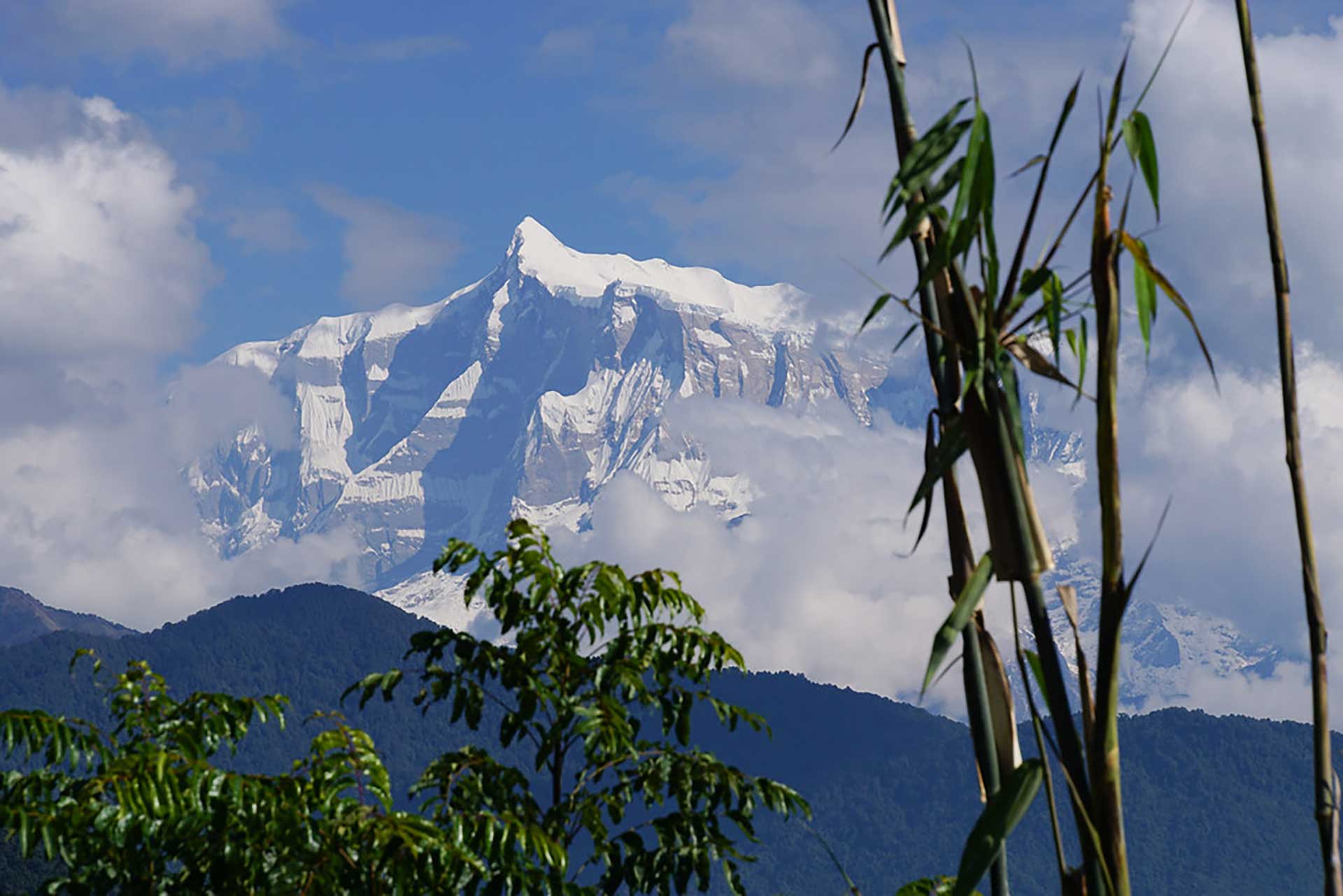
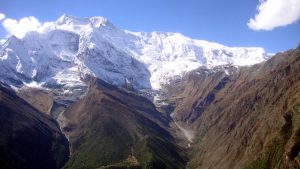
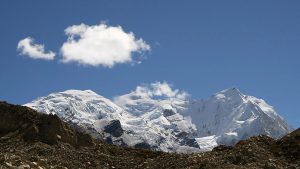
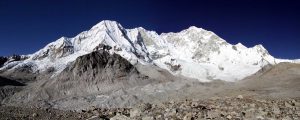
Annapurna IV (7,525m) is one of Nepal's least-climbed and most rewarding 7,000-meter peaks, located in the heart of the Annapurna Himal. Situated between Annapurna II and Annapurna III above the Manang Valley, this striking mountain offers a genuine expedition experience far from the crowds found on more commercial Himalayan routes.
First successfully climbed in 1955 by a German expedition led by Heinz Steinmetz, Annapurna IV remains a coveted objective for experienced mountaineers seeking a technical ascent in a pristine alpine environment. The mountain is characterized by steep snow slopes, exposed ridges, mixed climbing terrain, and impressive ice faces that demand solid mountaineering skills and prior high-altitude experience.
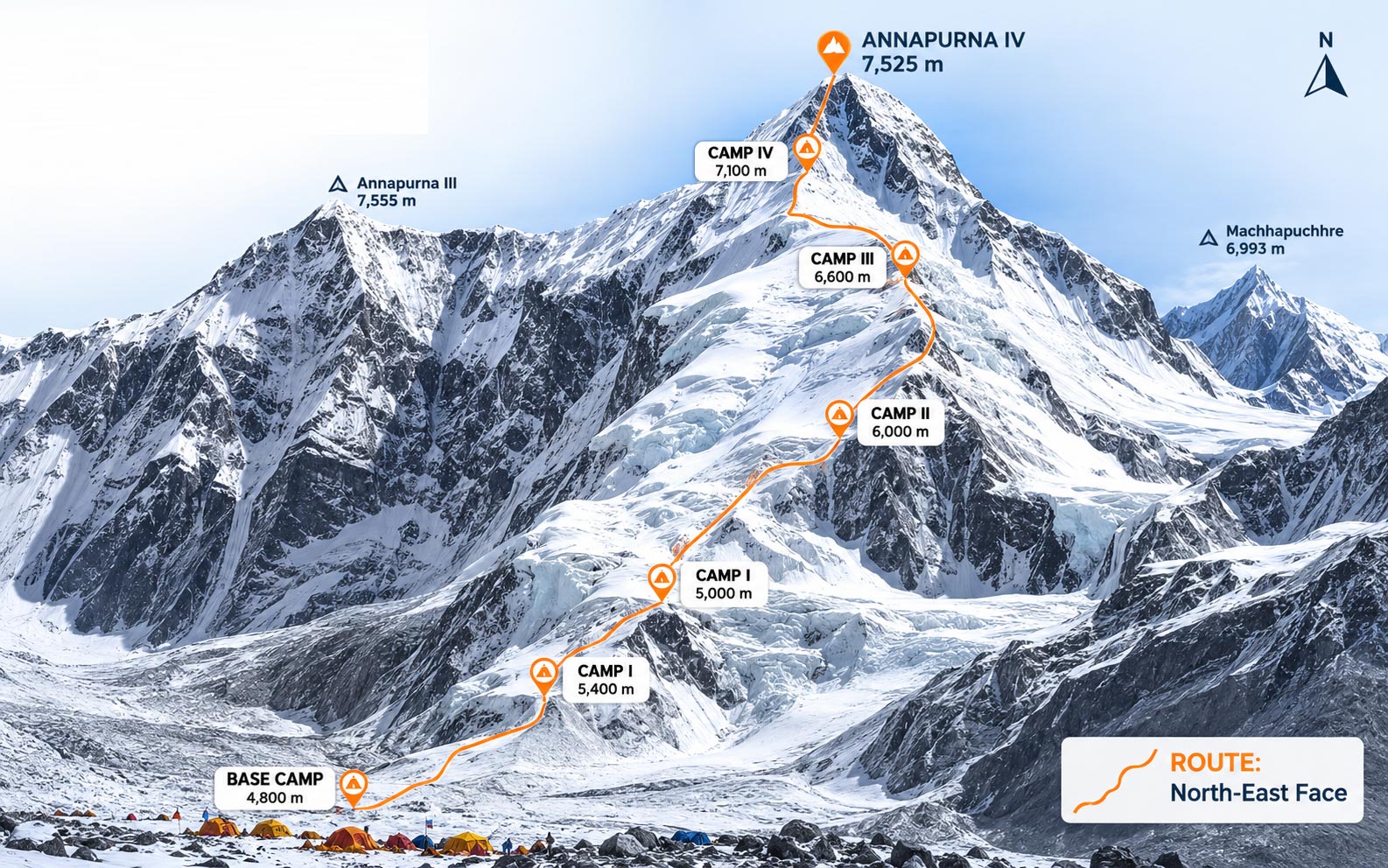
The expedition begins along the famous Annapurna Circuit, passing through traditional Gurung and Tibetan-influenced villages before reaching Humde. From here, the route leaves the established trekking trail and enters a remote mountain wilderness on the approach to Base Camp. Climbers establish a series of high camps along the Northwest Ridge before making their summit attempt.
The climb involves technical sections requiring fixed ropes, glacier travel, and careful route management. Above Camp I, the route becomes increasingly demanding, with steep snow and ice slopes leading toward the summit ridge. Successful climbers are rewarded with breathtaking views of Annapurna II, Annapurna III, Gangapurna, Tilicho Peak, Chulu East, and the vast landscapes of the Annapurna region.
For mountaineers seeking an authentic Himalayan expedition with fewer crowds, challenging climbing, and exceptional mountain scenery, Annapurna IV stands among Nepal's finest 7,000-meter objectives.